When DIY HVAC Work Goes Wrong on Your Roof
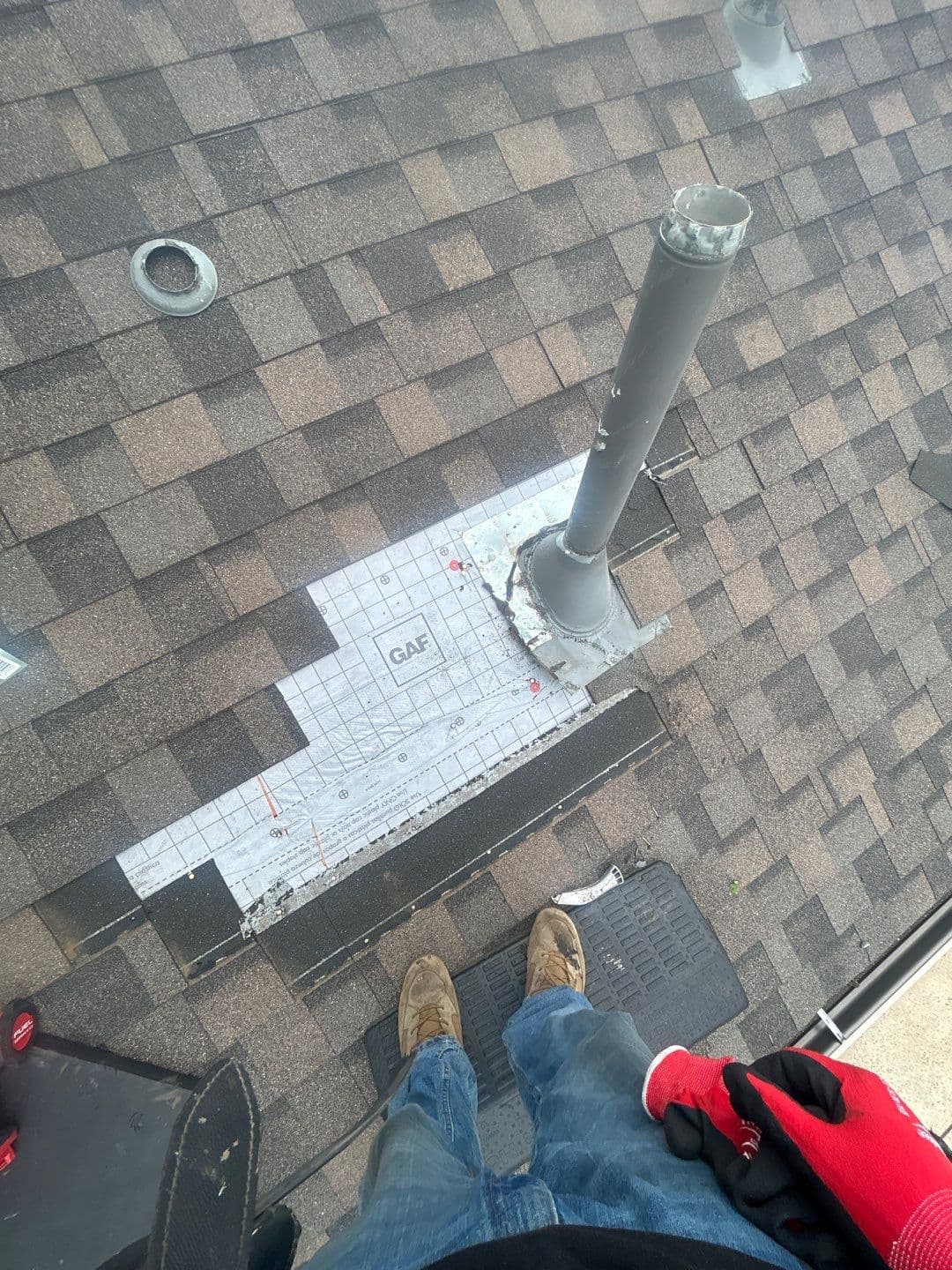
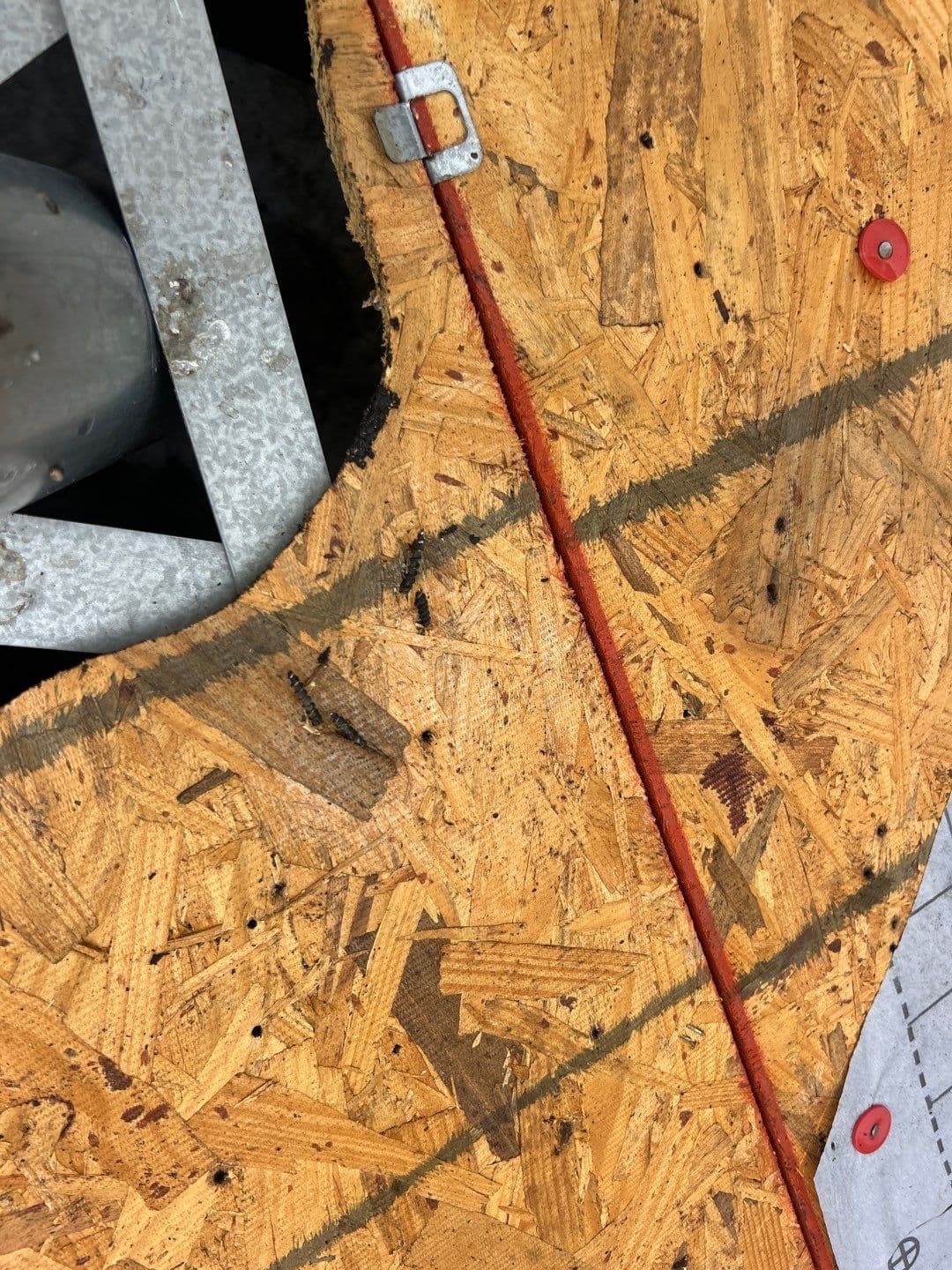
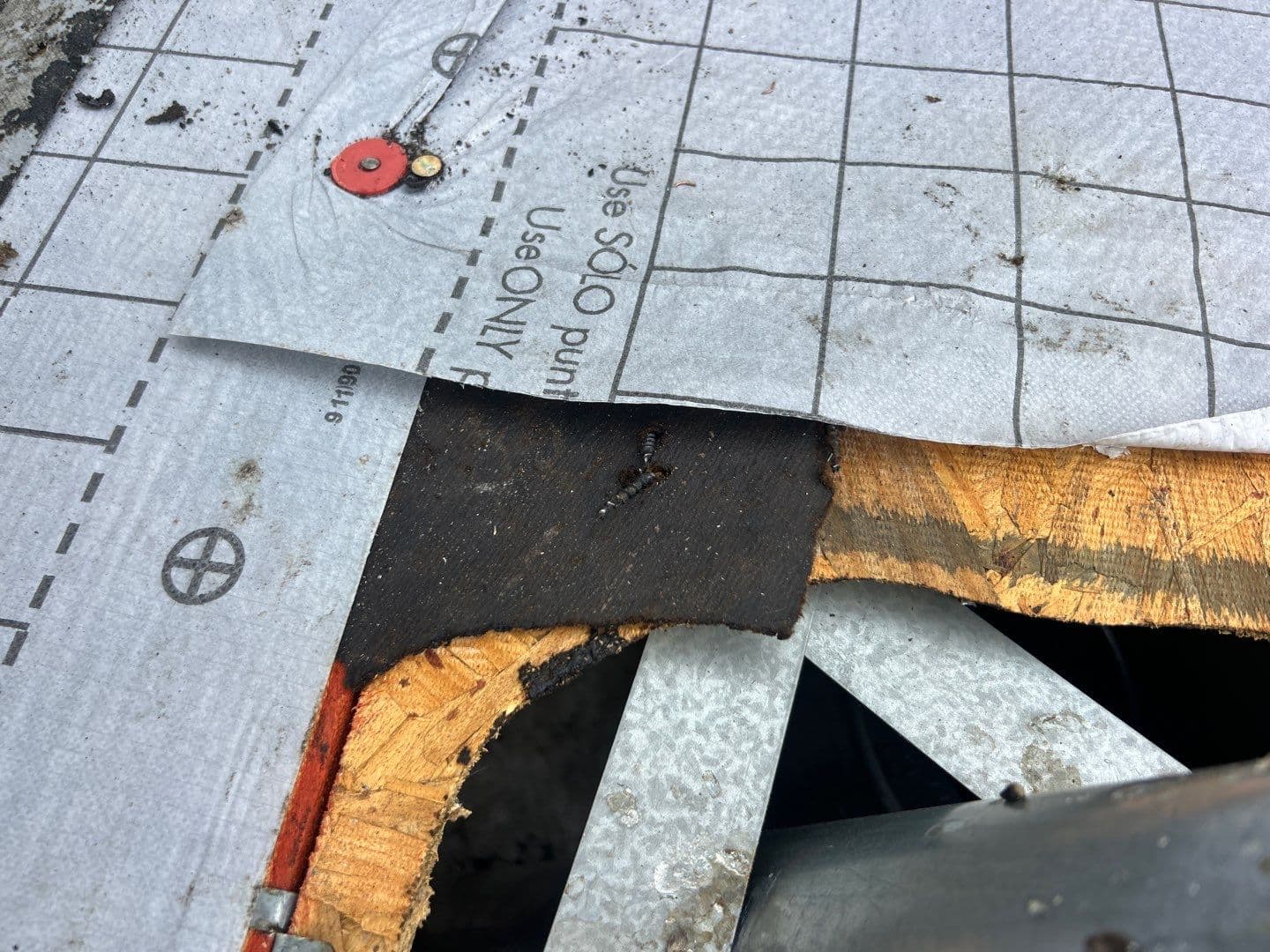
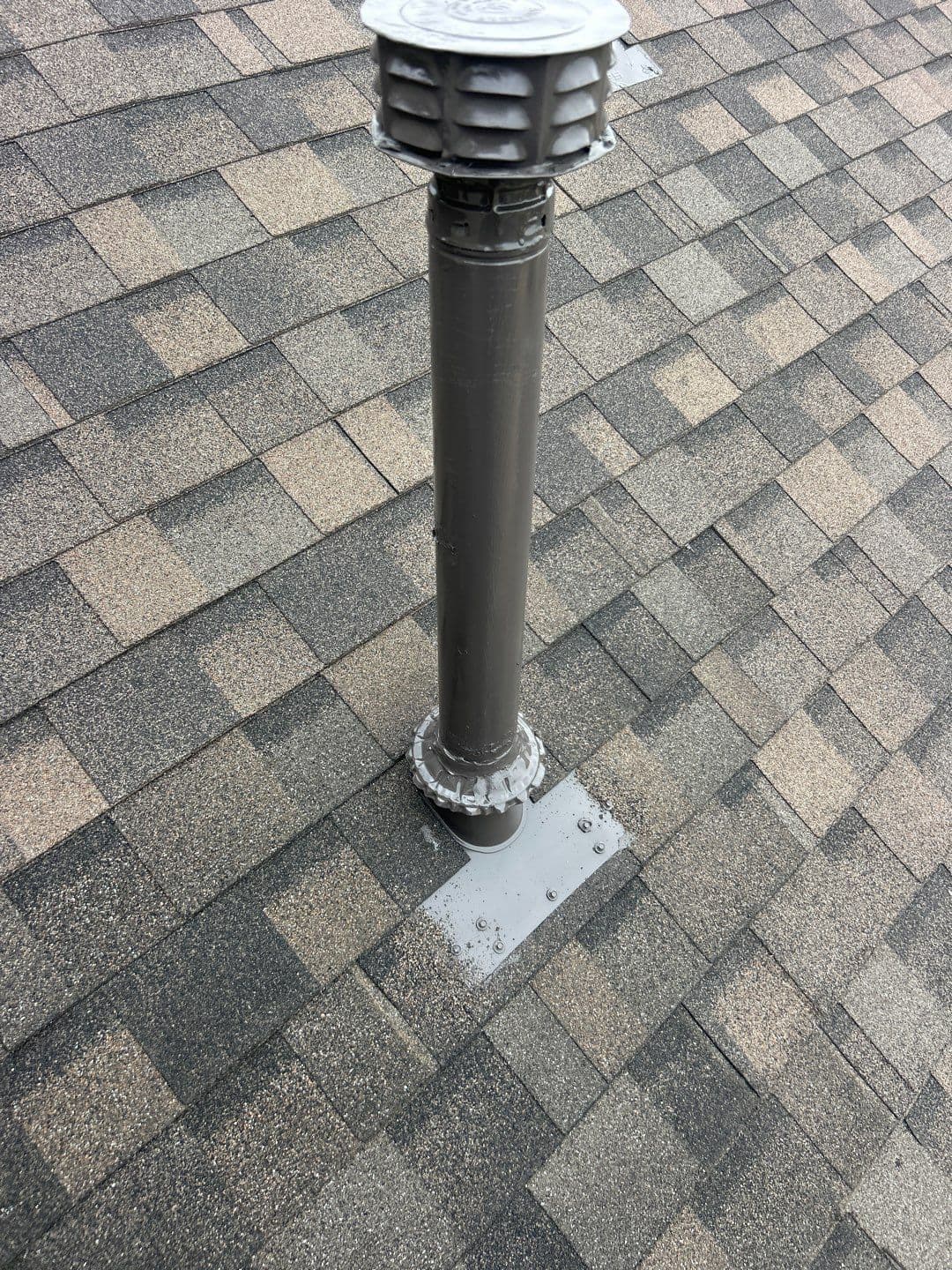
We get it - some HVAC techs are confident enough to get on a roof and handle their own penetration work. And some homeowners are handy enough to try it themselves. But there's a big difference between confident and correct. Driving 2-inch screws up through the roof deck and hammering them flat is one of those things that seems like it might work until it absolutely doesn't.
Here's the problem. That kind of fastener placement violates IRC R905.2.5 on improper fastener type and depth, IRC R903.1 on weather protection, and manufacturer installation instructions - which also ties back to R903.1 and IBC 1503.1. That's not a technicality. Those code sections exist because penetrations handled this way let water in. The deck takes moisture damage, the underlayment gets compromised, and what started as a DIY shortcut turns into a full repair job.
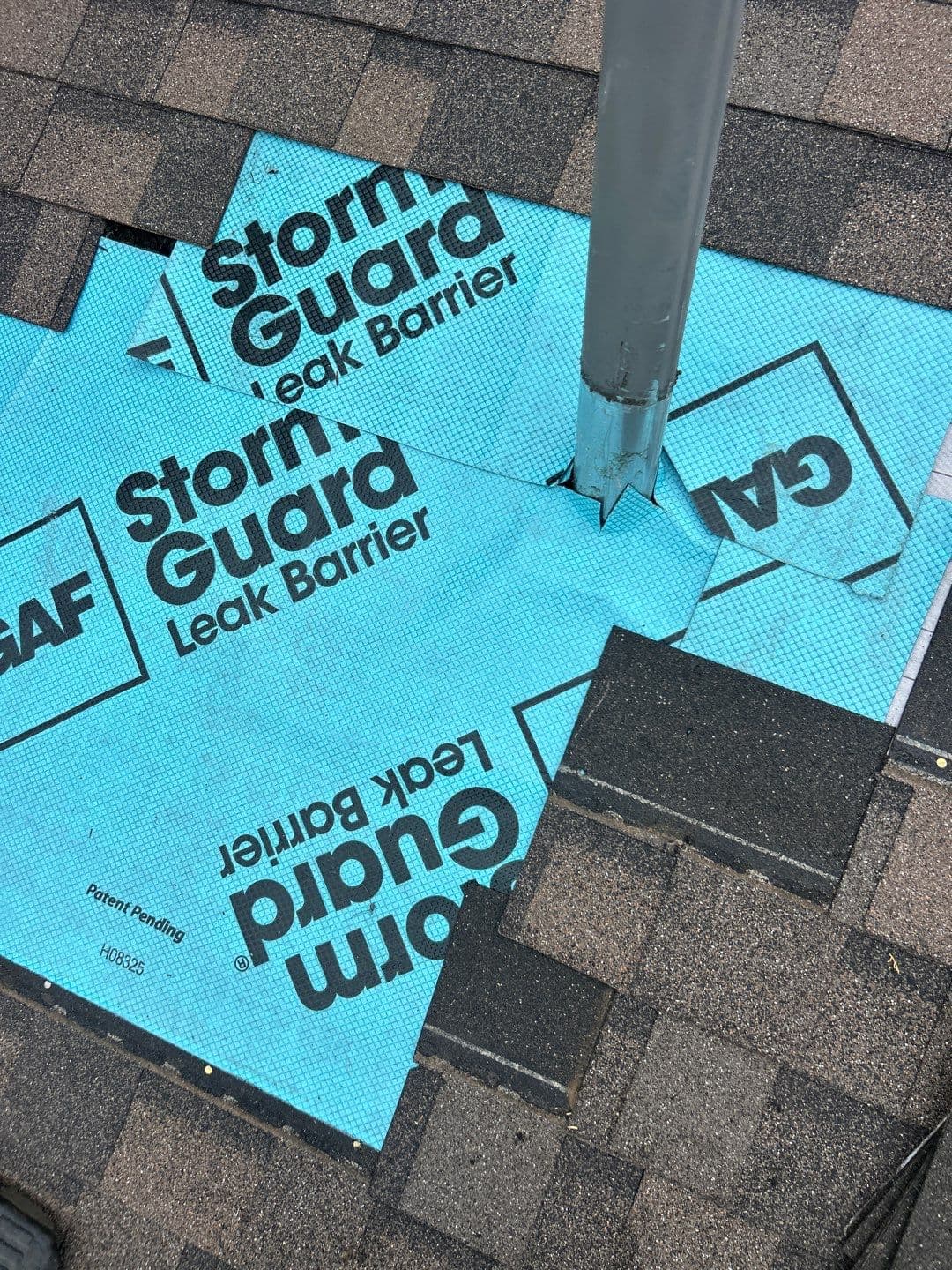
What proper work looks like is exactly what you see here. GAF StormGuard leak barrier laid around the penetration, properly lapped and sealed. A correctly flashed pipe collar sitting flush against the shingles - no exposed fasteners, no gaps, no improvised hardware. The deck work underneath shows what we were dealing with before the repair: damaged OSB, a poorly cut opening, and a screw sitting right where it had no business being.
The roof is not the place to wing it. Laminated shingles, proper underlayment, and correctly installed flashings all have to work together as a system. When one piece of that system gets installed wrong - especially around a penetration - the rest of it can't do its job. A proper inspection catches these things before they become water damage inside your home. That's exactly why we do what we do.