Dead Valley Roof Repair Done Right in Georgetown
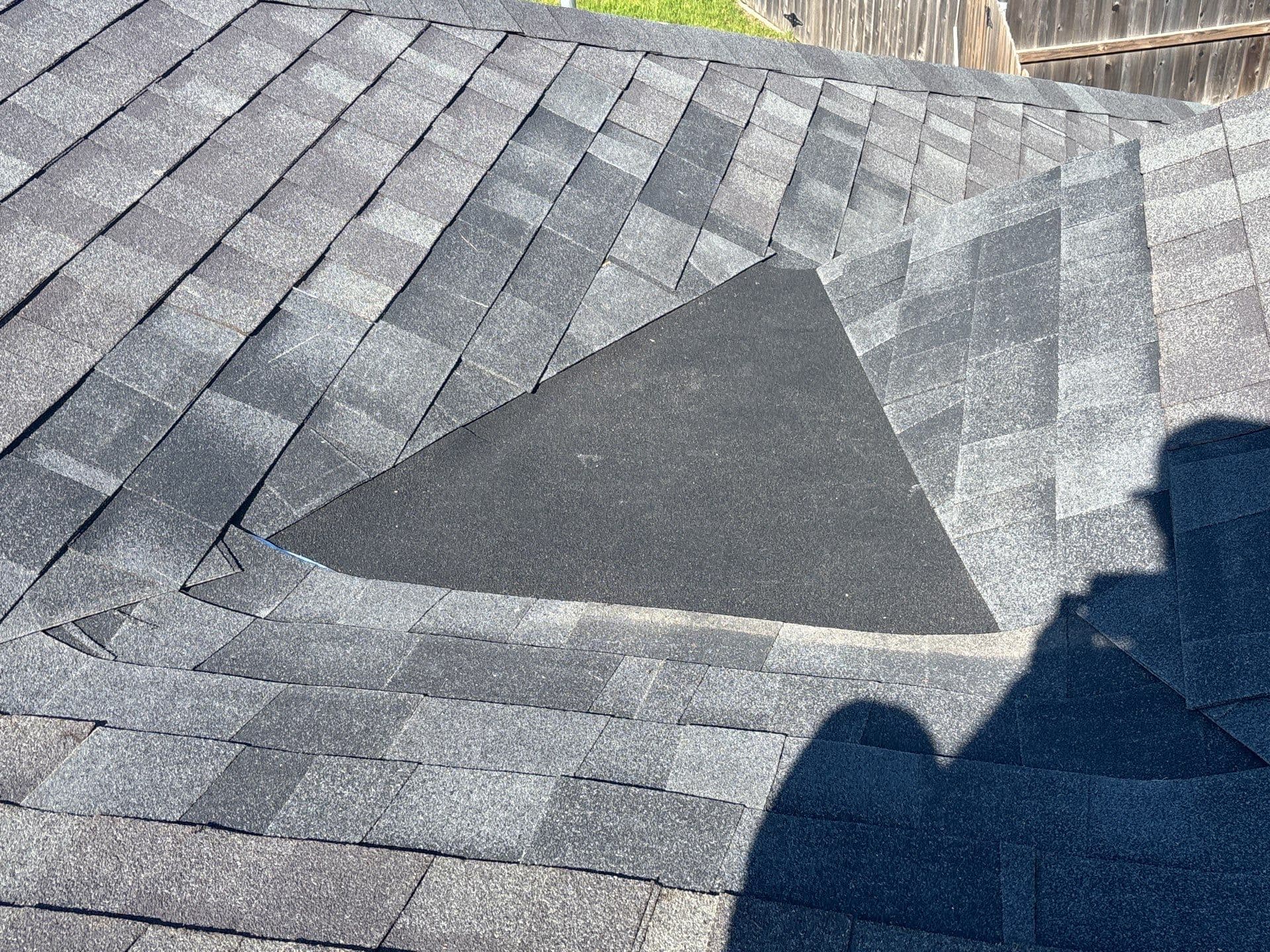
Dead valleys are one of those roof problems that get ignored until water starts showing up inside the house. This Georgetown homeowner in the West Ridge neighborhood was dealing with exactly that - a dead valley that was poorly built from the start, using inadequate materials that were never going to hold up long-term. Water had nowhere to go, so it sat. And standing water on a roof always wins eventually.
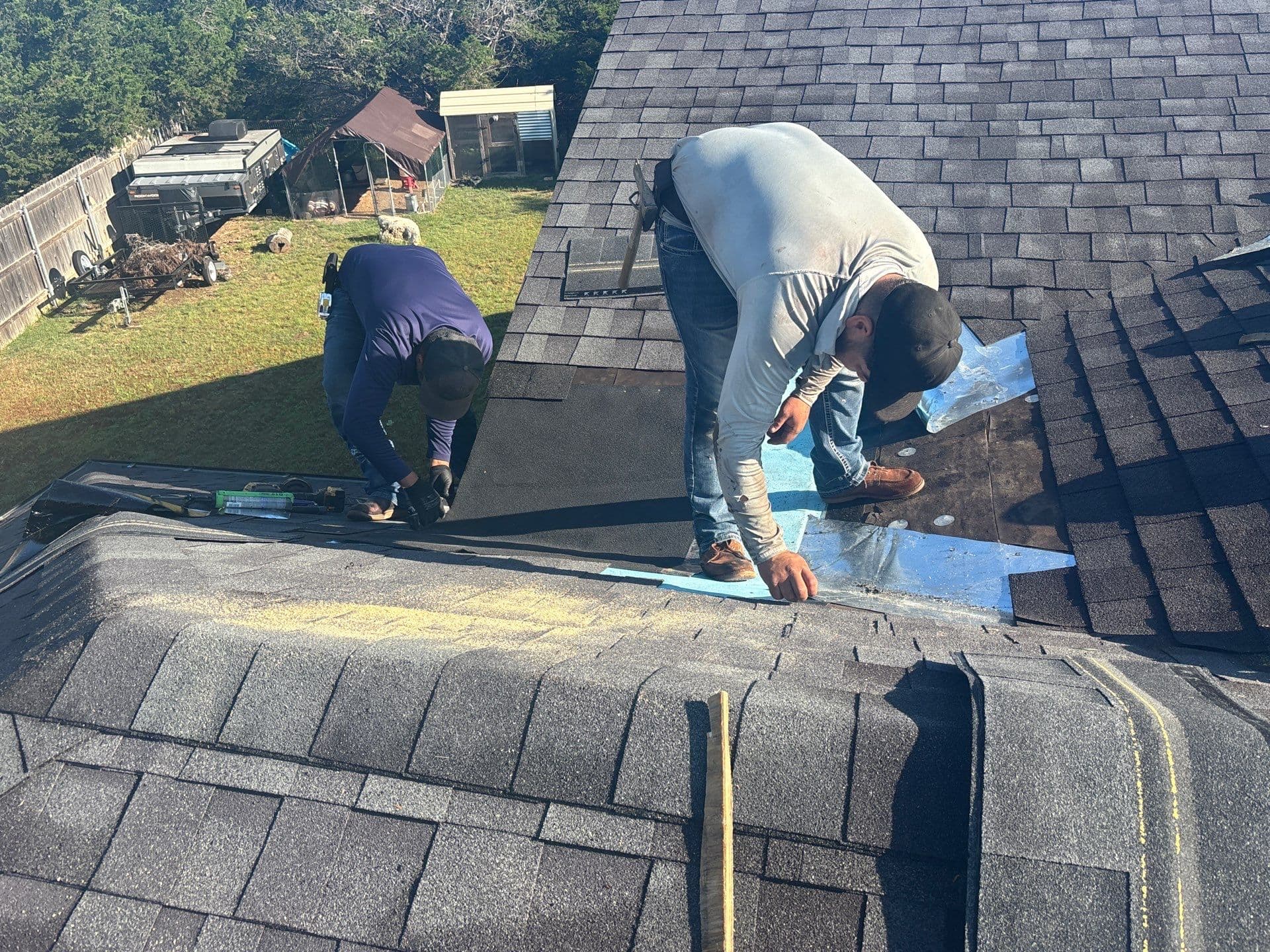
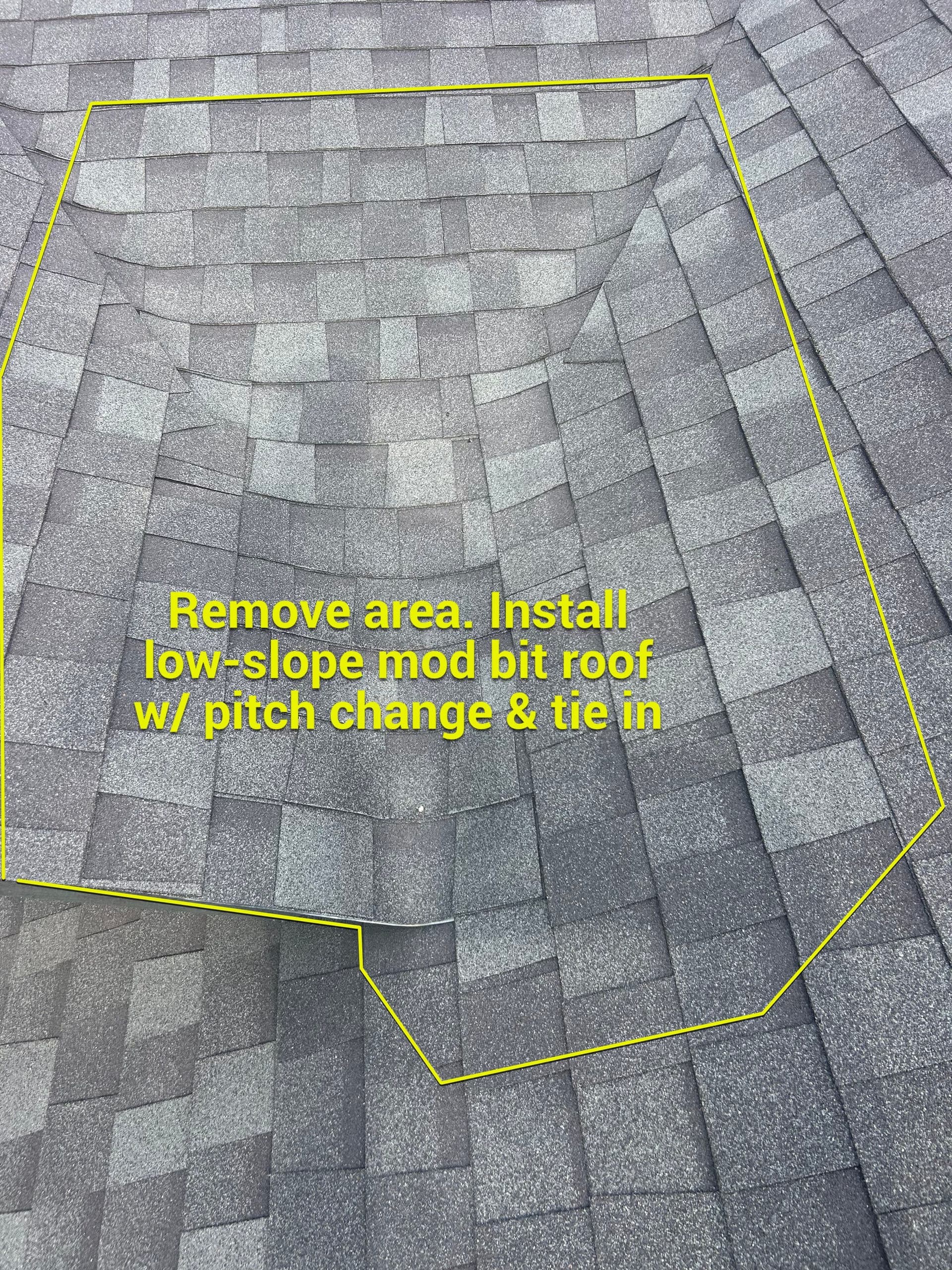
When we got up there, the scope of what needed to happen was clear. The original installation cut corners - both on materials and on how the valley was structured. We pulled the problem area, upgraded the underlayment, and built a cricket to change the pitch. That cricket is what makes the difference. It redirects water away from the low point so it can actually drain off the roof the way it should.
The repair itself involved installing a low-slope modified bitumen roof in the valley section, then tying it into the surrounding laminated shingles cleanly. Mod bit is the right call for low-slope areas like this - it handles moisture far better than standard shingles ever could in a spot where water collects. Getting the tie-in right is where a lot of contractors fall short. We take that part seriously.
The result isn't just a patched roof - it's a section of the roof that now actually performs. The leak is gone, the drainage is improved, and the structure underneath isn't taking on water anymore. That's what a real repair looks like.
A lot of leaks we see trace back to the original build. Bad valley construction, wrong materials for the slope, shortcuts that don't show up until years later. If you've got a spot on your roof that's been giving you trouble, it's worth getting someone up there to take a real look before it turns into a bigger problem.